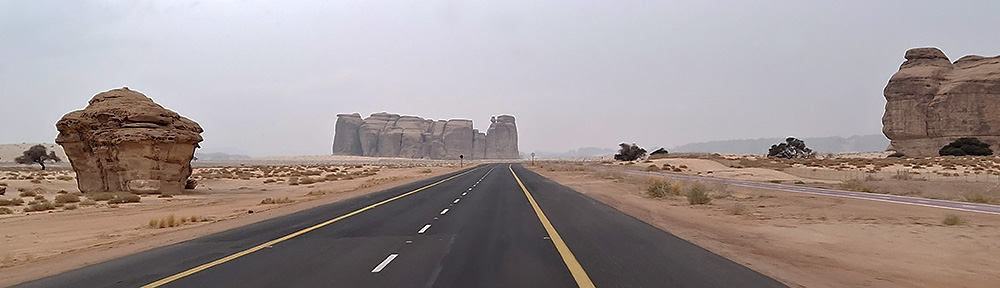
As the plane got ready to land in Yerevan, Armenia’s capital, I looked through the window and was met with a snow-capped Mt. Ararat reaching out to the skies. Armenia’s most beloved national symbol and site of the proverbial Noah’s Ark, Mt. Ararat became part of Turkey in 1921. Yet for Armenians, seeing the mountain looming over their capital city is a sign of good tidings. Just like it has been for the past two millennia.
In a strange twist of fate, the very geopolitics that gave Mt. Ararat away, also created Modern Yerevan. One of the oldest inhabited cities in the world, Yerevan’s current avatar is a product of the Soviet Union. 2,800 years ago, it used to go by the name Erebuni.
When Alexander Tamanian was assigned the task of drawing up Yerevan’s city-plan, he was first at a complete loss. He had no idea how he was going to convert the laid-back provincial town, previously under the Russian empire, into a cultural, political, and industrial centre befitting its new role as a Soviet Socialist Republic capital.
But creativity soon followed. Tamanian ingeniously combined neoclassical design, Armenian motifs, and local tuff stone in a graceful radial layout. Unfortunately, he also razed many of the earlier churches, mosques, and bazaars in the process so there is very little remaining from the pre-1920s in the city.
Off-the-beaten-path? True. Lacking in things to see and do? No ways.
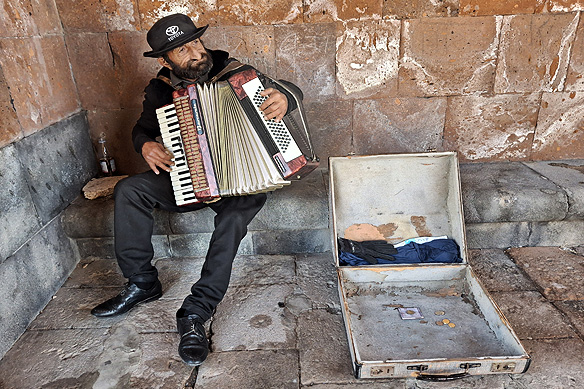
Yerevan today is filled with museums, art galleries, roadside cafes, and buskers churning out fabulous music. Come nighttime, the city transforms into a riot of curated lighting, with fountains dancing to classics.
Here is a 3-day itinerary for Yerevan, a city swarming with intrepid travellers eager to explore its heady mix of Soviet and Armenian charms.
Have you been to Yerevan? What did you like most about it? Do share in the comments. I would love to read them. 🙂
DAY 1: YEREVAN’S MUST-SEES
Day 1, Stop 1: Take a city tour to get your bearings and strike off a few must-sees
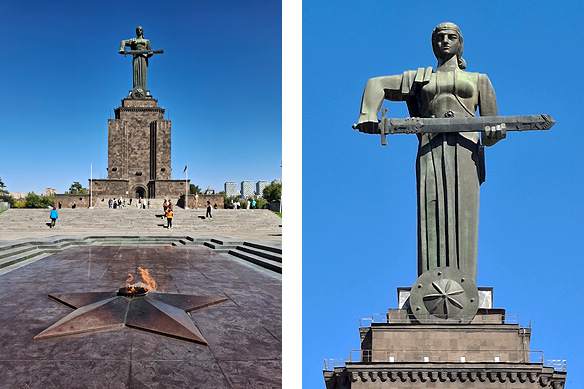
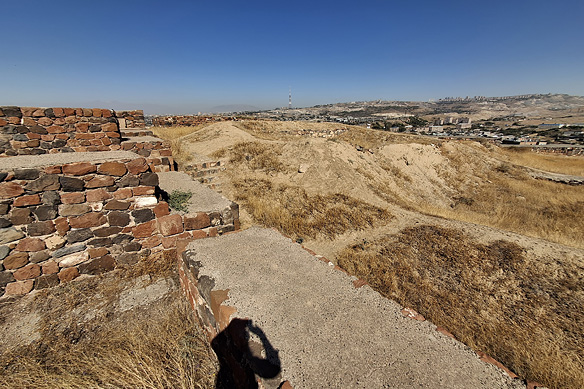


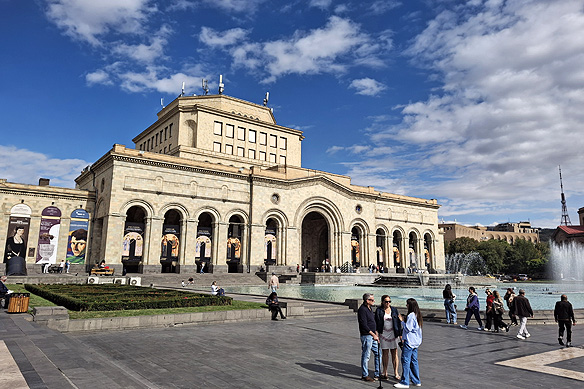
Since many of Yerevan’s must-sees are scattered all over the city [some needing a taxi ride], a half-day city tour ticks them off with ease. As a bonus, the tours help get one’s bearings around Armenia’s charming pink-stoned capital.
Pride of place goes to the Mother Armenia Monument overlooking Yerevan. 22-metres-tall, the lady holds a sword, gazing resolutely at Turkey a short distance away—a reflection of the turbulent history the two countries share. Equally significant is the Urartian Erebuni Fortress dated 782 BC, birthplace of Yerevan, with its small yet fabulous museum. Finally, do not miss the city’s Railway Station [1902] with its marriage of Armenian motifs and Soviet grandeur. It played a key role in Yerevan’s growth, and still does, by bridging the gap between rural Armenia and a burgeoning urban market.
Back in Yerevan’s bustling downtown, the arty Cascade and Republic Square strung together by Northern Avenue, burst with life, day or night, choc-a-bloc with sparkling fountains, chic cafes, and niche galleries.
Travel tip: Hyur Service, led by some of the most amazing guides, runs a half-day city tour which covers all the above sites.
Day 1, Stop 2: Learn about Armenia’s history and culture at the History Museum
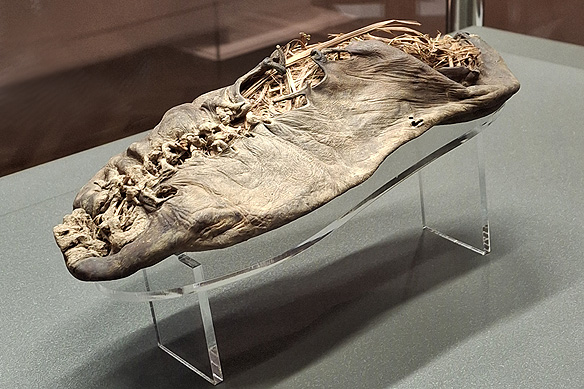
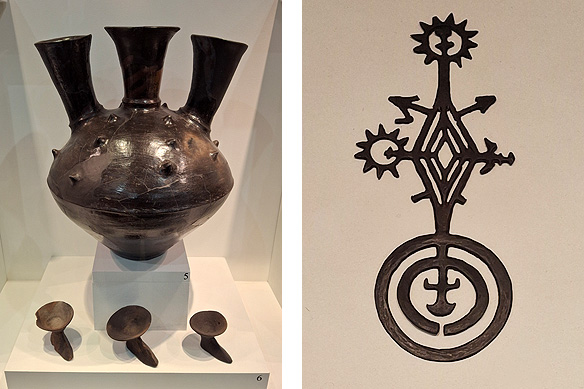


The Armenia one sees today is but a fraction of the heights it reached in its past. 5,500 years ago, its inhabitants were wearing leather shoes with shoe-laces and exquisite gold jewellery; the Urartu rulers built Yerevan’s prototype in 782 BC, announcing its achievements with cuneiform tablets placed in the Erebuni Fortress walls; and the Greater Armenia Kingdom [331 BC to 428 АD], along with its vassal states, spanned ten times Armenia’s current geographical area, all the way from the Caspian Sea to the Mediterranean Sea.
With 400,000 objects in its collection, the History Museum of Armenia traces the country’s highs and lows from prehistory to modern times, including the country’s unique heritage as the world’s first Christian country and cross-cultural influences with its neighbours.
Exhibits to look out for are Armenia’s Chalcolithic pottery; the world’s oldest leather shoe aka the Areni-1 shoe; Bronze Age artifacts including ram-headed hearths, gold jewellery, statuettes, and wooden chariots; 3,200-year-old model of the solar system; Urartian ceremonial objects; 4-sided Christian stelas and some spectacular khachkars; and a 12th Century child’s silk outfit.
Travel tip: All exhibits have clear, in-depth explanations.
Day 1, Stop 3: Wrap up the day exploring the ‘local’ side of Yerevan
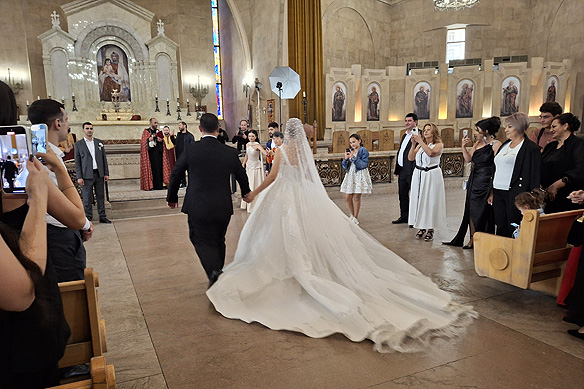


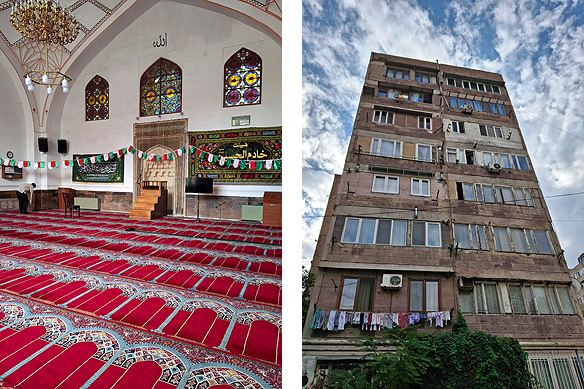
If Mother Armenia, Erebuni Fortress, History Museum, the Cascade, and Republic Square are Yerevan’s must-sees for the tourist, its sights frequented by the locals are must-sees for the traveller.
Visit St. Gregory the Illuminator Cathedral, Yerevan’s largest church consecrated in 2001, and you will most likely walk into a local wedding in all its camera-happy finery. Next to it is GUM Market, named after the Soviet-era department stores, where colourful traditional sweets come with generous free tastings. On the other side of town is the 18th Century Shia Blue Mosque, a sole echo of the city’s Persian past replete with exquisite tilework and local Iranians.
Go one layer deeper within, through the arched entrances on elegant tree-lined streets, and you will enter a world of poker-faced tuff Soviet-era flats, cutesy bakeries, and lines of laundry. Here children play amidst cramped car-parks, whilst their grandpas read the newspaper plonked on sofas which do not fit inside tiny homes.
DAY 2: YEREVAN’S CULTURAL HEART
Day 2, Stop 1: Marvel at Armenia’s jewel-like medieval manuscripts at Matenadaran

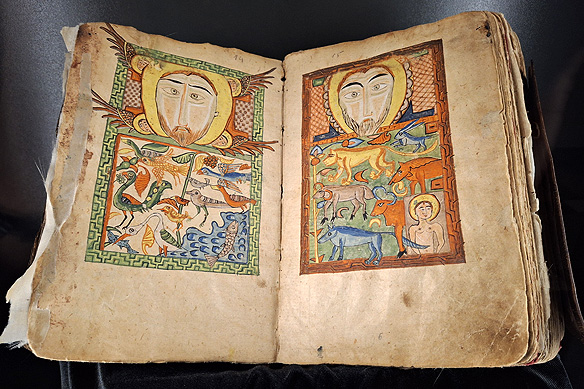

Did you know the Armenian language is an Indo-European language that is completely unrelated to the other languages in the family? No surprises then that this unique language also has a standalone alphabet. Developed by Mesrop Mashtots, a cleric-cum-linguist in 405 AD on the orders of the then ruler, the script is still in use after 1,600 years as the upper case.
Mashtots’ mandate was clear: To aid the spread of Christianity, religious texts needed to be written in a script that captured the phonetic expanse of the Armenian language and what better way to do it than develop a tailor-made new one. Over time, the script’s use expanded to record ancient and medieval Armenian science and culture as well, including music and theatre.
The result is an array of jewel-like manuscripts produced by both monasteries and secular spaces alike, over the centuries. 20,000 of these are lovingly displayed at Yerevan’s Matenadaran, the Mesrop Mashtots Research Institute of Ancient Manuscripts.
Travel tips: 1) The main exhibition hall is on the top floor. 2) Don’t miss ‘The Manuscript Mystery of Nature Creativity’ gallery on the ground floor. It is stunning.
Day 2, Stop 2: Enjoy a stroll down Alphabet Wall ending with a meal at Lumen Coffee 1936
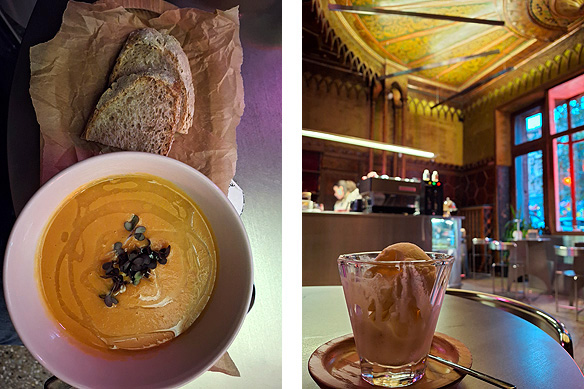
Once done with the treasures of Matenadaran, walk down Alphabet Wall with the Armenian alphabet set on full display. Feeling peckish? You will not find a more atmospheric place to refuel than Lumen Coffee 1936 with its fabulous decor in a building, you guessed right, dated 1936, at the end of the Wall.
Day 2, Stop 3: Bask in sculptures and city views at the monumental Cascade and surrounds
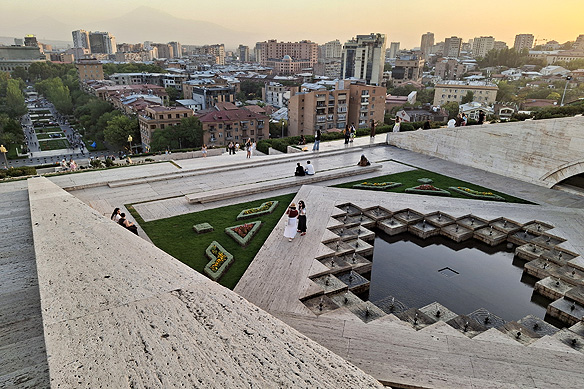

No, you do not have to climb up the 572 steps to get the best views of Yerevan. There are escalators hidden behind the monumental staircase that open onto the 5th level with the famed ‘divers‘ sculpture by David Martin. But do climb down, stopping at the enclosed gardens en-route.
Yerevan’s most popular tourist attraction, the Cascade, was part of city architect Alexander Tamanian’s original 1924 city-plan. However, construction started much later in 1971; it was finally inaugurated, along with the embedded Cafesjian Centre for the Arts in 2009.
Once satiated with the incredible views, may I suggest you explore the surrounding area. Though you may have covered it [if you did a city tour on Day 1’s morning], I would still recommend you putter around. Poke a bit. Discover hidden details. There are plenty of them.
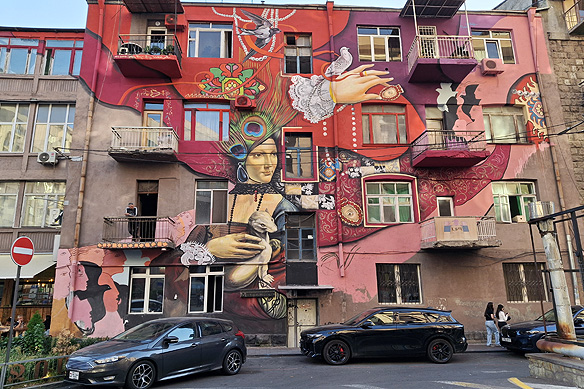
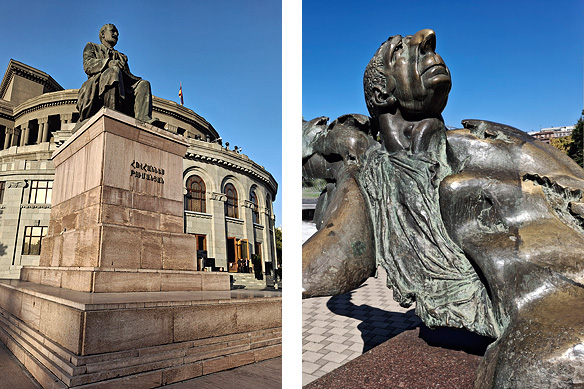
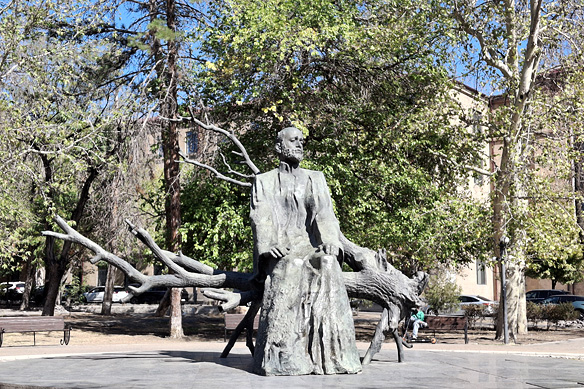
A stone’s throw from the Cascade is the grand Armenian National Opera and Ballet Theatre, centrepiece of Tamanian’s layout. The surrounding square and parks are dotted with statues of composers, actors, and writers, most evocative of which is that of Komitas, the musicologist-cum-composer who lost his mind when imprisoned during the Armenian Genocide.
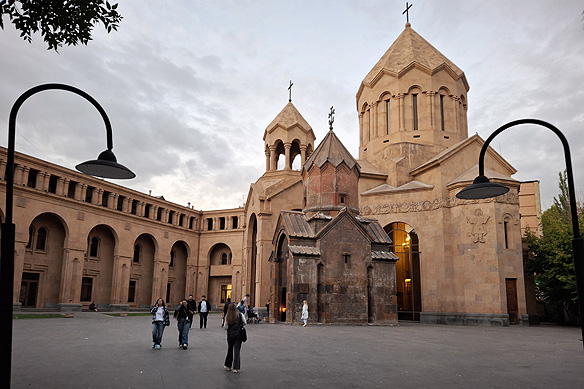
Carry on walking with a pit stop at Katoghike Church, a small medieval church [1264], with the newer St. Anna Church [2015] next to it. The final stop is Vernissage, an open-air market selling Armenian handicrafts and goodies. Perfect place if you are into souvenirs!
DAY 3: YEREVAN AND THE ARMENIAN IDENTITY
Day 3, Stop 1: Explore the eclectic art of Armenian film-maker Sergey Parajanov
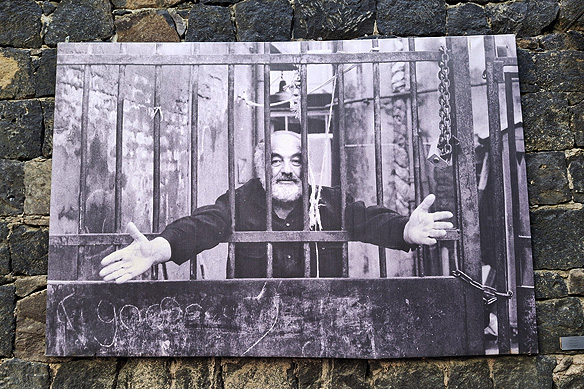

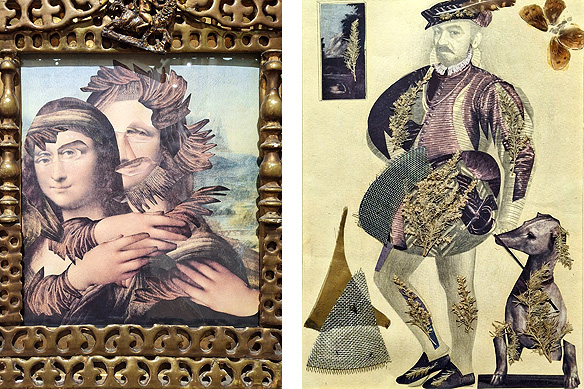
One of Yerevan’s most interesting museums is the Sergey Parajanov Museum tucked away in a lane by the same name. Considered a ‘magician’ in the world of cinema, Sergey Parajanov was an Armenian Soviet filmmaker whose life was marred with suffering.
Widowed, divorced, and imprisoned twice for not sticking to Soviet ideals, he was also banned from making movies for 15 years or allowed to live in any of the Soviet megapolises.
Despite these constraints, he made four award-winning masterpieces and resolutely continued to create and express himself during the incarcerations and ban, albeit in a different medium: He made collages which he called ‘film in a frame.’ His house museum in Yerevan displays these surreal, intense, layered artworks which veer between the bizarre to the mystical, surrounded with his quirky personal belongings.
You might also like to read:
Film in a frame: The eclectic world of Sergey Parajanov’s collages
Day 3, Stop 2: Pay homage to the 1.5 million victims of the Armenian Genocide


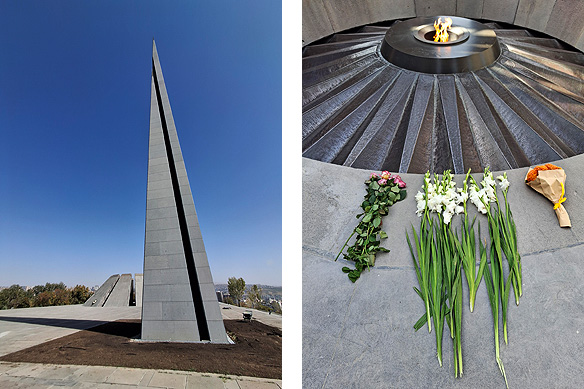
There are eight million Armenians in the Armenian diaspora which is spread across the globe. In contrast, only a third of that number, three million Armenians, live in Armenia. The reason behind these lopsided figures lies in the country’s modern history—a period fraught with self-loss.
Between 1915 and 1923, 1.5 million Armenians who called Anatolia in Eastern Turkey home for the past 2,000 years, were annihilated in a systematic genocide by the Ottoman Empire. This was carried out through forced death marches to the Syrian desert. The Armenian diaspora are the descendants of those orphaned, or managed to escape, this massacre.
An integral part of the Armenian identity, no visit to the country is complete without paying homage to those lost lives, and learning about this chapter in world history at the Genocide Museum. It is only recently that the atrocities are being recognized by the international community for what they were: A genocide.
Travel tip: Take a guided tour at the Genocide Museum. The guides are excellent and help to process an otherwise overwhelming period and large amounts of data points.
Day 3, Last Stop: Sing along with the musical fountains in Republic Square
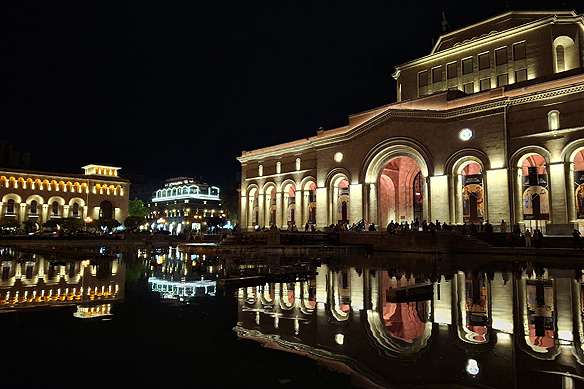

Come 9 pm, Republic Square plays host to a musical extravaganza with colourful fountains dancing to timeless classics. The expanse is encircled by the lit-up tuff government buildings and History Museum of Armenia. It is a breathtakingly beautiful sight—one that draws oohs and aahs from its rapt spectators, both locals and tourists.
By now Yerevan will have started to feel like a lovely familiar friend, what say? It had become mine. ❤
Travel tip: The hour-long musical fountains show takes place every night at 9 pm, except on Tuesdays.
– – –
Travel tips:
- Staying there: I stayed at the Nova Hotel Yerevan, a short walk from the city’s main sights.
- Getting around: I walked to most sights, took a Yandex taxi for the Genocide Museum and a half-day city tour on Day 1.
[I travelled solo and independently across Armenia for 12 days in September-October, 2025. To read more posts in my Armenia series, click here.]
Note: There are NO affiliate links in this post, or in any of my posts. Links are provided only to help you with your plans or to give extra info. Neither is any of the content in this post or any of my posts sponsored. The services mentioned in this post are what I used and I am simply sharing them with you.
 rama toshi arya's blog
We spent a week in Yerevan this past fall. It has a nice downtown, but outside of downtown, it is still suffering post Soviet rule. Maggie
LikeLike
I read your post on Yerevan yesterday. Enjoyed it. It is always interesting to read another traveller’s take on a place — travel is such a personal subjective experience. 🙂
LikeLiked by 1 person
That’s what makes it interesting. 😊
LikeLike
Absolutely. ❤️
LikeLike
This post only makes me want to go to Armenia sooner than later! The weather seems really nice when you were there. What do you think of Armenian food? I tried it for the first time in Beirut, and it was the one thing that sparked my interest in Armenia.
LikeLiked by 1 person
Am glad you liked the post, Bama. 🙂 I found Armenian food absolutely delicious. I avoid any kind of meat when travelling and was pleasantly surprised by the sheer variety they had on offer on their vegetarian menus! Fresh yummy veggies in simple wholesome recipes. And their lavash when fresh out of the earthen tandoors — just perfect!
LikeLiked by 1 person
Great description & beautiful images of your Yerevan visit, Rama! You have given quite an exhaustive account of history & worth visiting destination of Armenia!Someday I may get the opportunity to make a trip! Thanks for sharing 🙏🏻
LikeLiked by 1 person
Thank you, Sir, for your kind words. Really appreciate it. 🙏 The Armenians are incredibly warm and friendly, and as a destination, the country is cost-effective and offers value-for-money. I enjoyed my visit thoroughly. Every day was special. I hope you get to explore it too, some day soon. 🙂
LikeLiked by 1 person
Years ago , we almost got an opportunity to visit Armenia but it was not to be as my son , who got admission in medical, refused to join the course due to some reason! That was when I thought of accompanying him ! Anyway let’s hope we get to visit soon
LikeLiked by 1 person
Pingback: the 5 untold treasures of gyumri, city of 22,000 orphans | rama toshi arya's blog
A jewel of a capital – smaller than most mega capitals – for a wonderful country. You have captured its variety and interest – from beauty to majesty to great sadness. And the best way to finish the day at the colourful fountains in Republic Square with happy dancing men women and children – I remember that as the highlight. Thanks again Rama
LikeLiked by 1 person
Glad you liked it. 🙂 I found Yerevan absolutely lovely. It is not a plastic city. It is real, replete with the many shades of its history–many of which are painful–and yet filled with optimism and a genuine liking for life.
LikeLiked by 1 person
Pingback: photo essay: monasteries and manuscripts, echoes from the world’s first christian country | rama toshi arya's blog
Beautiful images and great description.
LikeLiked by 2 people
Thank you for stopping by, and your kind words. 🙏
LikeLike
what’s it like to see Mt Ararat in person, knowing it’s now part of Turkey? 🏔️
LikeLiked by 1 person
Difficult, I am sure, for Armenians. But its being on the other side of the border has not lessened its sanctity one bit.
LikeLike