the london underground—part 1

I wanted to do something different this afternoon. To see London a little more closely, a tad more me-ishly.

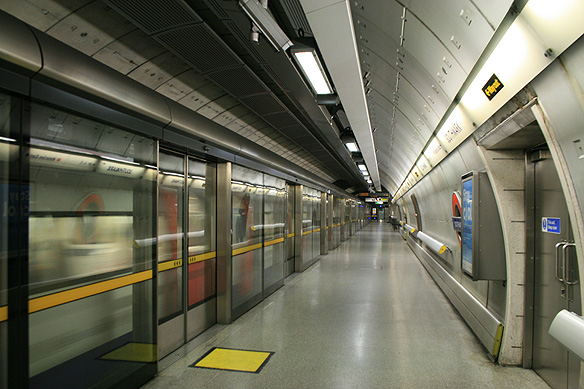
This is part 1 of a series of photo essays on the London Underground. I went mid-afternoon—the crowds are always lesser at that time—to explore the platforms and escalators on one of the architecturally acclaimed parts of the tube, the Jubilee Line. It was awesome! I knew the CCTVs were recording my every move as I clicked away. Even Security was keeping an eye. But they were really sweet about it. Guess my enthusiasm was contagious. 🙂

I love the tube. It is so lived in. Comfortable, and efficient. But the section of the Jubilee Line that I have here is the most spectacular part. Avant garde, monumental, sleek; scores of feet underground. Enjoy.
londontube1_1 Continue reading

stratford-upon-avon, the place shakespeare called home

stratforduponavon1

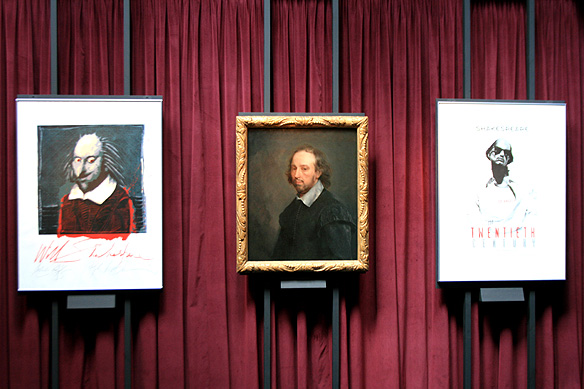
The other day I went to Stratford-upon-Avon. It was like having tea with Shakespeare (1564-1616) and his family. Replete with gossip and a walk around the house to see the gardens. 🙂 I met his wife and his daughters, sons-in-law, and his last descendant Elizabeth, his granddaughter. I was shown the room where he was born, and the workroom where his father made and sold gloves through a window overlooking the street. I sat on the courting settle which according to legend is where William too used to sit when wooing Anne Hathaway, and peeked into the bedrooms of the Hathaway farmhouse with its lopsided floors, crooked roofs and minuscule beds. Apparently they used to sleep half-seated during Tudor times and that is why their beds were so tiny. Continue reading

of verulamium, romans and saints

Once upon a time, a long time ago, 1959 years ago to be exact, there was a Roman town by the name of Verulamium. It was the third largest town in Roman Britain and had been granted the rank of municipium which meant that it could collect its own taxes and administer itself.

It was complete with all the trappings of Roman civilized life—a theatre, temples, an arch, roman baths, basilica, and a forum for its population of nearly 15,000. Trade flourished and its people lived in fine town houses equipped with underfloor heating systems. This town was my stop for today. Continue reading

it is pronounced ‘greenich’, my dear

greenwich1

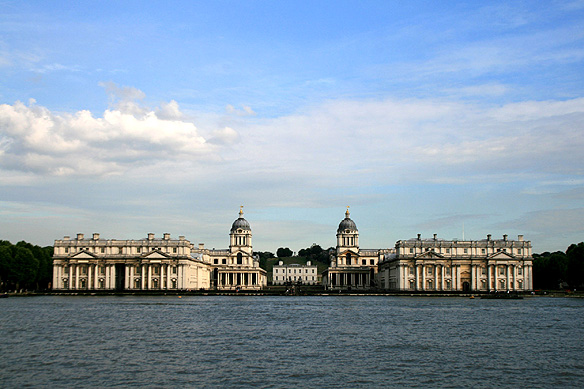
Greenwich has always been inexorably bound to the sea and all things maritime; right from King Henry VIII’s time when he lived in the Royal Palace of Placentia that used to stand here and oversaw his naval fleet from it. Came the 18th Century, and along with it Queen Mary and Christopher Wren. The Queen decided to build a naval almshouse at the site of the Old Palace. Known as the Royal Naval Hospital (1752), it provided lodging and meals to the disabled and retired seamen of the Napoleonic Wars. Wren’s grand edifices later became the Royal Naval College in 1873 and were finally leased to the University of Greenwich, in 1999, and the Trinity College of Music.

The connection with the sea doesn’t end there. Greenwich is home to the National Maritime Museum which pulsates with the trade, exploration and colonization ties that the seas have had with England. And then there’s what everyone comes to look at. The Royal Observatory where John Harrison invented his famous sea clocks, and THE Greenwich Meridian Line, Longitude 0 degrees 0’ 0”, home of Greenwich Mean Time (GMT). Continue reading

oxford, city of dreaming spires

oxford_me
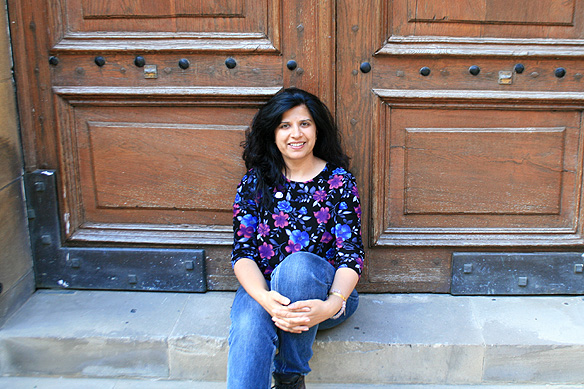
On the steps of the Sheldonian Theatre where Oxford’s graduation ceremonies are to date conducted in Latin!

First let’s get the bigger picture in place. 🙂 Oxford University is not one campus. It is made of 38 independently founded colleges, each with its own history and administration. Originally there were no buildings as such. The university consisted of a group of students gathered around individual masters. And when did it all begin? The oldest college dates to the 13th Century. The university as a seat of learning goes back to the 10th Century. Continue reading

cotswolds—minster lovell and burford

cotswold2_1

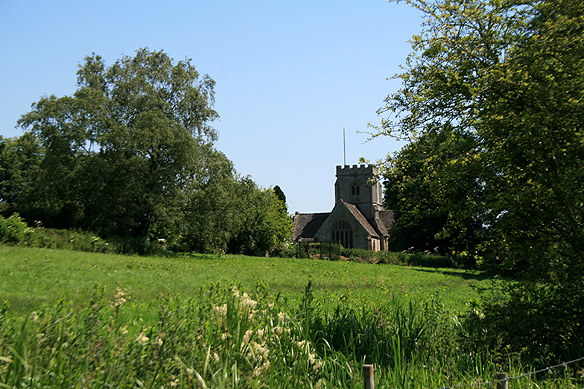
Today I hiked through a different part of the Cotswolds. In a village called Minster Lovell in Oxfordshire with its stone ruins of the manor house Minster Lovell Hall standing sentinel, three storeys high, amidst emerald-green fields, tumbling brooks and whispering trees. Built by Lord William Lovell in the 1430s and extended by his son Francis, the edifice is monumental.

I ended my day with Burford, at the 12th Century parish church of St. John. Restful graves and vivid stained glass windows greeted me as I wandered in with my camera. I will always be grateful that I can travel. Continue reading

cotswolds—a sheep’s pen in the hill

cotswold1_1

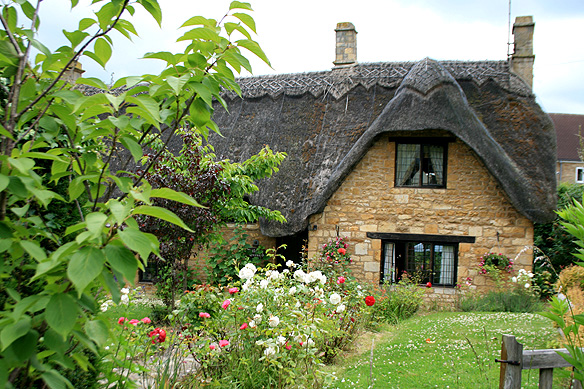
At times words are just not needed … I went to the Cotswolds in Gloucestershire today. Visited little villages which were as old-world as their names: Chipping Campden, Upper Slaughter, Lower Slaughter, and did some hiking. It was beautiful. I’ll let the pictures do the talking. 🙂 Continue reading

bloomsbury, fitzrovia, and my favourite place in london

bloomsbury6

My favourite place in London has got to be the BM—read British Museum. I know, I’m a nerd. 😀 But see it from my eyes and the BM is all of life under one roof.

I’ve been here 10 months and soon I’ll be gone. I figure it is time to unravel the traveller within me and start exploring, both London and England. And how better else to start than with the vicinity around the institution that echoes all I hold dear—Bloomsbury and Fitzrovia. The weather is beautiful. The days long and lazy. Tough to resist so many temptations!

One of London’s most attractive charms is undoubtedly its little nooks and corners which somehow seem to get completely sidelined by tourists. My walk today started with the Sicilian Avenue which dates back to 1905. It has to be the quaintest pedestrian walkway I have ever come across, hemmed in as it is with ionic columns topped with urns, brimming over with Roman ambience and street cafes.

And then starts Bloomsbury’s other prime attraction. Its squares. There’s Bloomsbury Square (the oldest square in London, 1661), Russell Square (centrepiece for London University’s various departments), Tavistock Square (with its effigy of Mahatma Gandhi) and Bedford Square with its picture perfect Georgian houses. Continue reading

cambodia 3: phnom penh, “we don’t need to fight anymore”

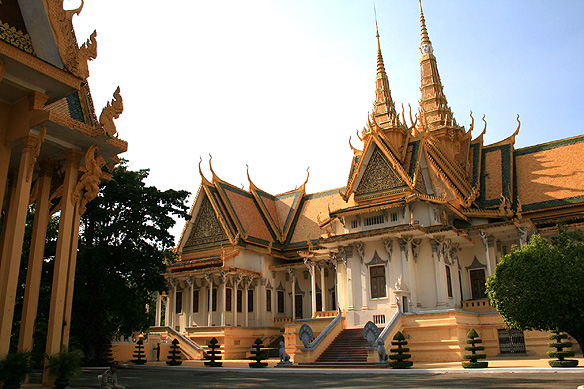
royalpalace3

Phnom Penh is where the Cambodians live, work, play and pray. Its attractions are low key, forming part of the fabric of local life. The city sits at the confluence of the three great rivers of Indochina—the Mekong, Tonle Sap and the Bassac—and is the country’s commercial and political capital. It is crowded, chaotic and most importantly necessary in order to understand the everyday real Cambodia.

Like Siem Reap and other towns in Cambodia, Phnom Penh too swarms with child beggars and amputated men and women trying to eek out a living from the country’s thriving tourism industry. After three decades of civil war, the country has only in the last 10 years opened its doors to the outside world with its sliver of calm and peace. All in all 539,000 tonnes of bombs have been dropped over the country and between four and six million land mines still dot the countryside. Huge billboards on the roads read, “Put down your weapons. We don’t need to fight anymore.” Continue reading

cambodia 2: khmer rouge, hell on earth in the 20th century

To fully understand life one needs to understand the good, as well as the bad and the ugly. To fully comprehend the Cambodian psyche, one needs to walk the sacred walkways of Angkor Wat but also understand the Khmer Rouge, and the dent it has made on an entire nation and its people, still stark and painful 28 years after its demise. No Cambodian can be said to be yet entirely free of the madness and brutality of that era. Every single family has had one or more members that died in it. There is a vacantness in the Cambodian spirit which still rattles emptily the echoes of those years, making you doubt humanity itself. Continue reading