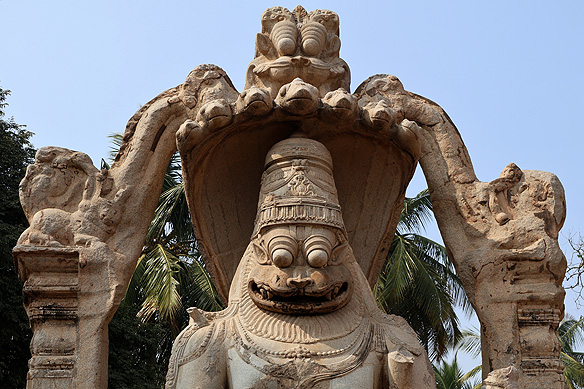
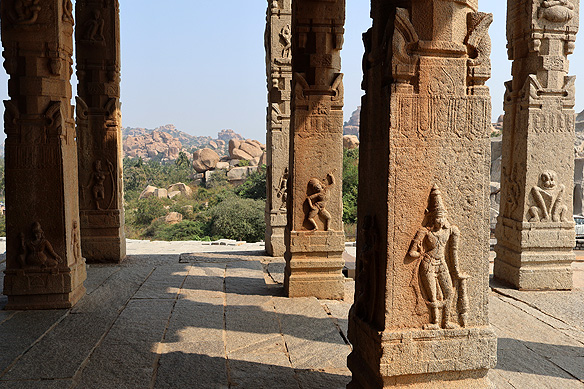
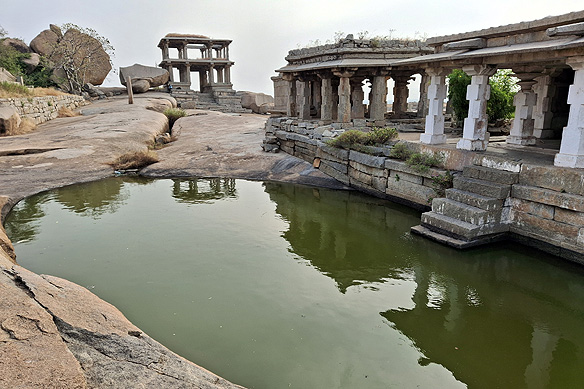
Don’t mistake the swarms of visitors at Hampi as tourists. Not all of them are. Most of them are pilgrims. For in Hampi, nestled in a surreal boulder-strewn landscape in north Karnataka, each stone is sacred.
Irrevocably tied to the Hindu epic Ramayana, Hampi traces itself back to a mystical past. Anegundi, the expanse across Hampi’s Tungabhadra river, was then known as the vanar [monkey] Kishkindha kingdom ruled by King Sugriva. In the epic, Sugriva’s commander Hanuman and army of monkeys helped Rama rescue his wife Sita from the demon Ravana.
Fast forward a few millennia from otherworldly mythology to historical facts substantiated by Kannada inscriptions and journals of Italian merchant Nicolo di Conti [1420], Persian diplomat Abdur Raazaq [1442], and Portuguese traveller Domingo Paes [1520].
Hampi, was now the capital of the wealthy, secular, and immensely powerful Hindu Vijayanagar empire. The richest city in the Indian subcontinent and the second biggest city in the world, it ruled a realm that encompassed modern-day Karnataka, Telangana, Andhra Pradesh, and Tamil Nadu.

 rama toshi arya's blog