richmond to hampton

Richmond and Hampton with a cruise down the river Thames. That’s the plan for the day.

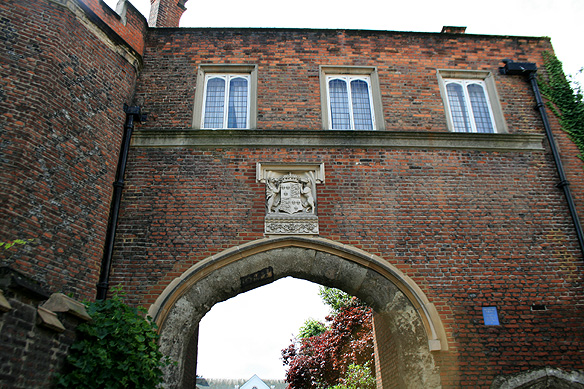
The nice thing about travelling when you are older is you appreciate the finer nuances better. 😀 For one, I learnt that Richmond used to be called Shene and was highly popular with the royal family who lived in the manor house until Henry VII built Richmond Palace in 1501. It’s a little startling to take a turn and actually step back 500 years. Though much of the palace has been lost to time, the Maids of Honours Row, Wardrobe, Trumpeter’s House and Gate House still stand intact, now converted into rented apartments behind the historical facades.

Walking past the Victorian Richmond theatre, boutique shops and the Green which has held cricket matches since 1666, I reached the edge of the Thames to catch my boat to Hampton, as I was told Henry VIII would have done! The cruise is hypnotic with its serene landscapes intertwined with picturesque houses hugging the edge of the river. One feels one is somewhere far away in the country. But it is still London or to be technically correct, Greater London.
richmond_hampton1 Continue reading

tower of london—flirting with the beefeaters

toweroflondon1

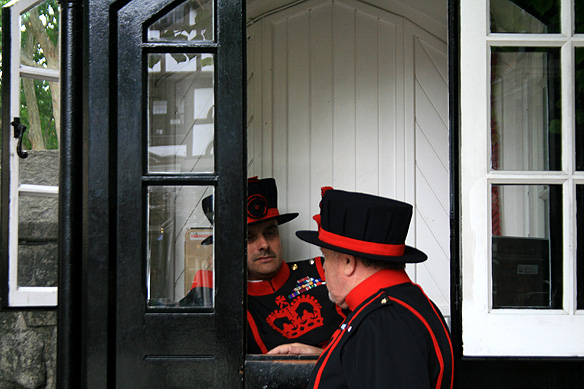
When you live in London, it is only right that you do at least some of the absolutely touristy things the city is famous for, which includes going to the Tower of London, packed with swarms of holiday-makers. Most famous for the beheadings of Henry VIII’s (1491–1547) wives when they failed to provide blessed little boys, the Tower has to be on the top things-to-do list in every guide-book on this country. And does it live up to its name. Millions of tourists cannot be wrong. 🙂 Continue reading

brighton: sun, sea, pebbles and george IV

brighton1

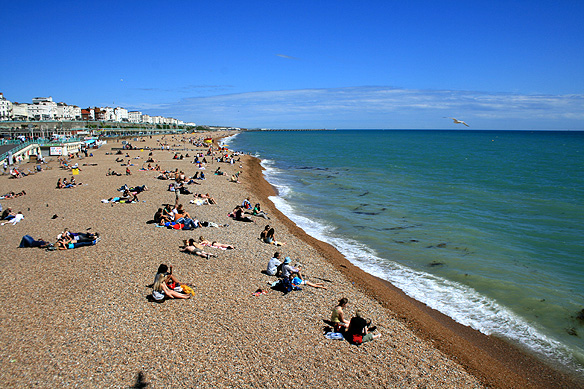
Brighton is the story of George IV (1762-1830), the king who liked to party, party AND party, and whose patronage subsequently, turned the once small fishing village into one of the most ‘happening’ places in the country.

As Prince of Wales, and later Prince Regent, his life revolved around lavish gatherings, heavy drinking and an indulgent lifestyle. The Royal Pavilion, his palace designed by John Nash in 1822, testifies to it. I stood in the music and dining rooms with my mouth open and had to blink once, twice, thrice. Continue reading

stratford-upon-avon, the place shakespeare called home

stratforduponavon1

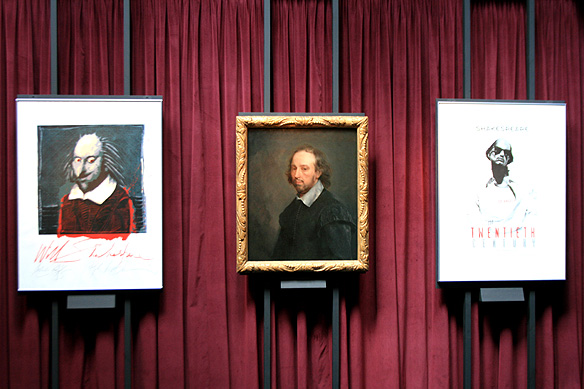
The other day I went to Stratford-upon-Avon. It was like having tea with Shakespeare (1564-1616) and his family. Replete with gossip and a walk around the house to see the gardens. 🙂 I met his wife and his daughters, sons-in-law, and his last descendant Elizabeth, his granddaughter. I was shown the room where he was born, and the workroom where his father made and sold gloves through a window overlooking the street. I sat on the courting settle which according to legend is where William too used to sit when wooing Anne Hathaway, and peeked into the bedrooms of the Hathaway farmhouse with its lopsided floors, crooked roofs and minuscule beds. Apparently they used to sleep half-seated during Tudor times and that is why their beds were so tiny. Continue reading

oxford, city of dreaming spires

oxford_me
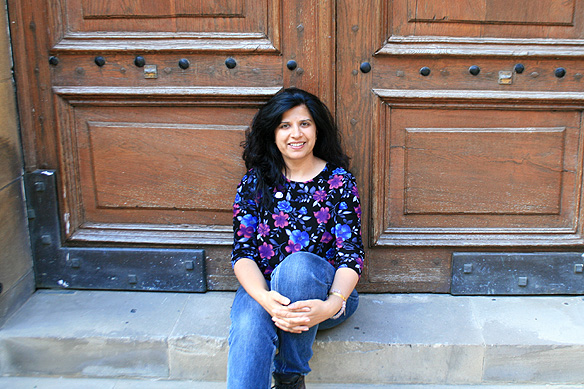
On the steps of the Sheldonian Theatre where Oxford’s graduation ceremonies are to date conducted in Latin!

First let’s get the bigger picture in place. 🙂 Oxford University is not one campus. It is made of 38 independently founded colleges, each with its own history and administration. Originally there were no buildings as such. The university consisted of a group of students gathered around individual masters. And when did it all begin? The oldest college dates to the 13th Century. The university as a seat of learning goes back to the 10th Century. Continue reading

cotswolds—minster lovell and burford

cotswold2_1

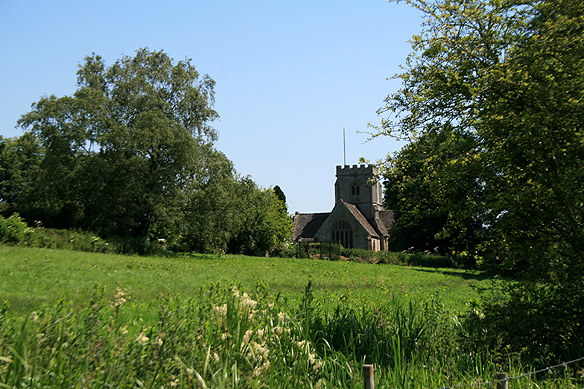
Today I hiked through a different part of the Cotswolds. In a village called Minster Lovell in Oxfordshire with its stone ruins of the manor house Minster Lovell Hall standing sentinel, three storeys high, amidst emerald-green fields, tumbling brooks and whispering trees. Built by Lord William Lovell in the 1430s and extended by his son Francis, the edifice is monumental.

I ended my day with Burford, at the 12th Century parish church of St. John. Restful graves and vivid stained glass windows greeted me as I wandered in with my camera. I will always be grateful that I can travel. Continue reading

cotswolds—a sheep’s pen in the hill

cotswold1_1

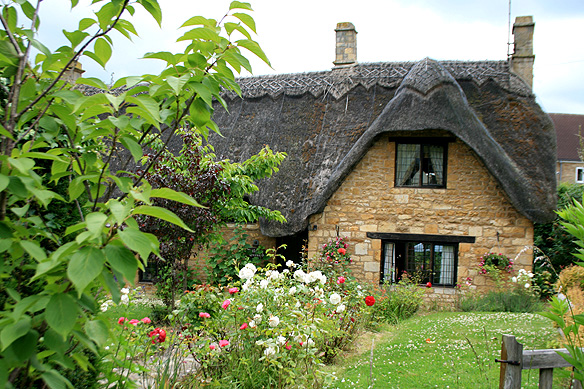
At times words are just not needed … I went to the Cotswolds in Gloucestershire today. Visited little villages which were as old-world as their names: Chipping Campden, Upper Slaughter, Lower Slaughter, and did some hiking. It was beautiful. I’ll let the pictures do the talking. 🙂 Continue reading

bloomsbury, fitzrovia, and my favourite place in london

bloomsbury6

My favourite place in London has got to be the BM—read British Museum. I know, I’m a nerd. 😀 But see it from my eyes and the BM is all of life under one roof.

I’ve been here 10 months and soon I’ll be gone. I figure it is time to unravel the traveller within me and start exploring, both London and England. And how better else to start than with the vicinity around the institution that echoes all I hold dear—Bloomsbury and Fitzrovia. The weather is beautiful. The days long and lazy. Tough to resist so many temptations!

One of London’s most attractive charms is undoubtedly its little nooks and corners which somehow seem to get completely sidelined by tourists. My walk today started with the Sicilian Avenue which dates back to 1905. It has to be the quaintest pedestrian walkway I have ever come across, hemmed in as it is with ionic columns topped with urns, brimming over with Roman ambience and street cafes.

And then starts Bloomsbury’s other prime attraction. Its squares. There’s Bloomsbury Square (the oldest square in London, 1661), Russell Square (centrepiece for London University’s various departments), Tavistock Square (with its effigy of Mahatma Gandhi) and Bedford Square with its picture perfect Georgian houses. Continue reading