richmond to hampton

Richmond and Hampton with a cruise down the river Thames. That’s the plan for the day.

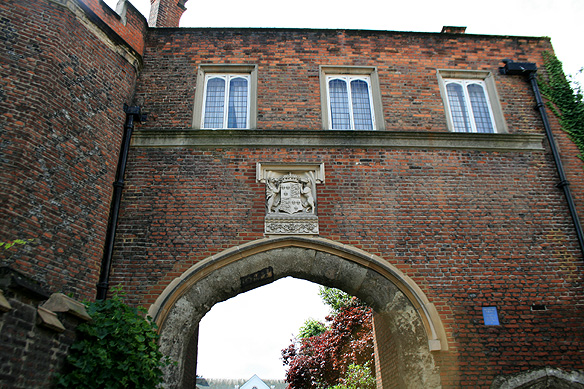
The nice thing about travelling when you are older is you appreciate the finer nuances better. 😀 For one, I learnt that Richmond used to be called Shene and was highly popular with the royal family who lived in the manor house until Henry VII built Richmond Palace in 1501. It’s a little startling to take a turn and actually step back 500 years. Though much of the palace has been lost to time, the Maids of Honours Row, Wardrobe, Trumpeter’s House and Gate House still stand intact, now converted into rented apartments behind the historical facades.

Walking past the Victorian Richmond theatre, boutique shops and the Green which has held cricket matches since 1666, I reached the edge of the Thames to catch my boat to Hampton, as I was told Henry VIII would have done! The cruise is hypnotic with its serene landscapes intertwined with picturesque houses hugging the edge of the river. One feels one is somewhere far away in the country. But it is still London or to be technically correct, Greater London.
richmond_hampton1 Continue reading

georgian bath, roman bath

bath1

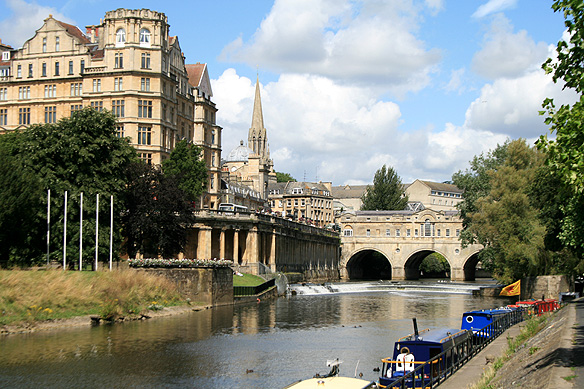
Bath has to be the most beautiful city in England. It is like a sliver of Europe with all its Baroque and Palladian splendour, but imbued with the elegance of the Georgian period—the reigns of the kings George I, George II, George III and George IV (1714-1830).

The weather was lovely. When you live in London, half your conversations end up revolving around the weather! But having blue skies and clear breezes is seen as something of a good sign. 😀

What do I say about Bath? I won’t go into the histories or the architects. There’s loads of it on the net. What rather came across, at least for me, was the lifestyle it represented. It echoes a period that Jane Austen revelled in writing about. The mornings spent drinking the spring waters which were believed to cure all kinds of illnesses, the corridors one went shopping in where musicians entertained, and come evenings, everyone’s flocking to the Assembly Rooms to play cards, drink coffee and do some ball room dancing. And exactly at 11 pm everyone left for their apartments to start the cycle again the next day. Funnily enough, they never ever got bored of it. It was the centre of fashionable life in England during the 18th Century or until Brighton took over. Continue reading

stratford-upon-avon, the place shakespeare called home

stratforduponavon1

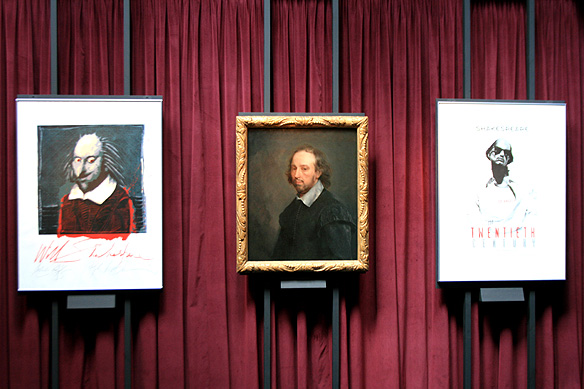
The other day I went to Stratford-upon-Avon. It was like having tea with Shakespeare (1564-1616) and his family. Replete with gossip and a walk around the house to see the gardens. 🙂 I met his wife and his daughters, sons-in-law, and his last descendant Elizabeth, his granddaughter. I was shown the room where he was born, and the workroom where his father made and sold gloves through a window overlooking the street. I sat on the courting settle which according to legend is where William too used to sit when wooing Anne Hathaway, and peeked into the bedrooms of the Hathaway farmhouse with its lopsided floors, crooked roofs and minuscule beds. Apparently they used to sleep half-seated during Tudor times and that is why their beds were so tiny. Continue reading

of verulamium, romans and saints

Once upon a time, a long time ago, 1959 years ago to be exact, there was a Roman town by the name of Verulamium. It was the third largest town in Roman Britain and had been granted the rank of municipium which meant that it could collect its own taxes and administer itself.

It was complete with all the trappings of Roman civilized life—a theatre, temples, an arch, roman baths, basilica, and a forum for its population of nearly 15,000. Trade flourished and its people lived in fine town houses equipped with underfloor heating systems. This town was my stop for today. Continue reading

it is pronounced ‘greenich’, my dear

greenwich1

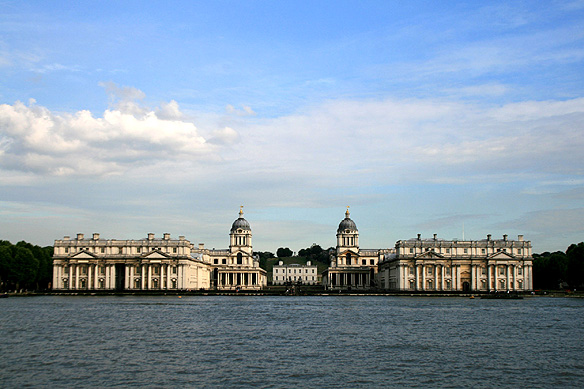
Greenwich has always been inexorably bound to the sea and all things maritime; right from King Henry VIII’s time when he lived in the Royal Palace of Placentia that used to stand here and oversaw his naval fleet from it. Came the 18th Century, and along with it Queen Mary and Christopher Wren. The Queen decided to build a naval almshouse at the site of the Old Palace. Known as the Royal Naval Hospital (1752), it provided lodging and meals to the disabled and retired seamen of the Napoleonic Wars. Wren’s grand edifices later became the Royal Naval College in 1873 and were finally leased to the University of Greenwich, in 1999, and the Trinity College of Music.

The connection with the sea doesn’t end there. Greenwich is home to the National Maritime Museum which pulsates with the trade, exploration and colonization ties that the seas have had with England. And then there’s what everyone comes to look at. The Royal Observatory where John Harrison invented his famous sea clocks, and THE Greenwich Meridian Line, Longitude 0 degrees 0’ 0”, home of Greenwich Mean Time (GMT). Continue reading