the complete travel guide to balkh: ancient bactria and silk road’s fabled city

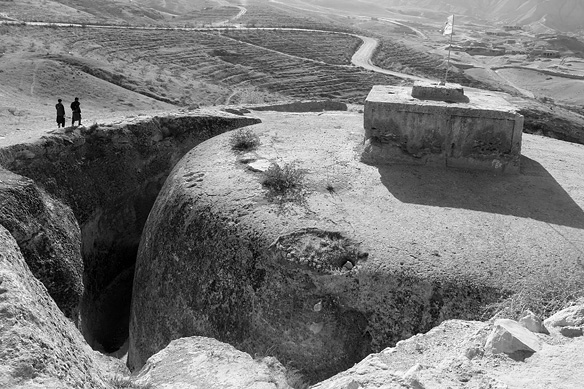
Of all the cities that has survived the annals of time, Balkh, the capital of ancient Bactria [6th Century BC to 6th Century AD] in northern Afghanistan, is perhaps the most evocative.

Volumes have been written on its wars when it was the capital of Bactria, and thereafter, a part of post-Bactrian empires. Art and literature have had a constant muse in its colourful personalities, Alexander the Great and Roxanna, and their marriage which paved the course of history. One of the oldest religions in the world, Zoroastrianism, was founded by one of Balkh’s very own citizens, Zoroaster.

But its greatest claim to fame, and subsequently its greatest legacy, came from its simultaneous role as Silk Road’s fabled city. For 1,600 years, from 130 BC – 1453 AD, Balkh was not just a confluence of commodities, but also of religions, ideas, and knowledge. Continue reading
sunder nursery: delhi’s loveliest secret

[Updated on 2 June, 2022. This post was first published on 4 April, 2022. I went back to Sunder Nursery for a night heritage walk led by Sair E Hind in May. This updated post includes images of Sunder Nursery at night.]

Red Fort. Check. Humayun’s Tomb. Check. Qutab Minar. Check. A walk through Chandni Chowk. Check … and one gets deluded into believing that Aah, one has seen it all, done it all in Delhi.

Could one be further from the truth?

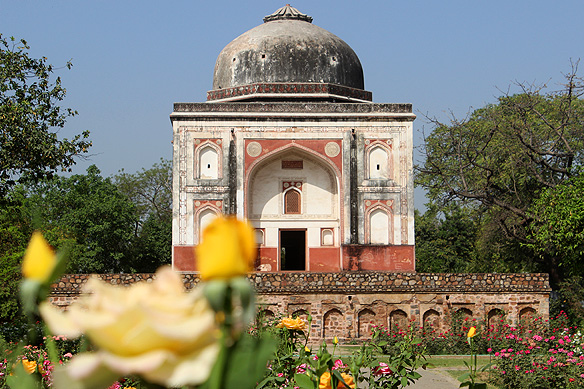
Delhi’s loveliest secret, hidden from prying tourist hordes, is Dilliwale’s [Delhiites] favourite place to have an uninterrupted yoga session, a picnic with close family and friends, or an organic brunch at a weekend farmers’ market. All in the company of blooming flowers, hundred-year-old wise trees from around the world, and exquisite Mughal-era UNESCO-listed monuments.

Sounds too good to be true, doesn’t it? But isn’t that what lovely, best kept secrets look like. Continue reading

the forgotten qutb shahi royal tombs of hyderabad

The first thing I noticed about Hyderabad, a 400-year-old city on the banks of the River Musi in the Deccan, was the colour of its grass. It is a deep shamrock green awash with light. I had not seen such a green elsewhere in my travels.

I wonder if Mohammed Quli Qutb Shah, fifth ruler of the Qutb Shahi dynasty [also known as the Golconda Sultanate], felt the same way when he founded the city of Hyderabad way back in 1591. Did the green charm him as much as it did me?

Avid builders and equally avid poets, the Qutb Shahi dynasty was founded by Sultan Quli Qutb ul Mulk, Governor of Telangana under the Bahamani court. As was the norm back then of setting up sovereign states, once the last Bahamani ruler died followed with the disintegration of his empire, Quli Qutb ul Mulk declared Golconda an independent kingdom and himself its Sultan.

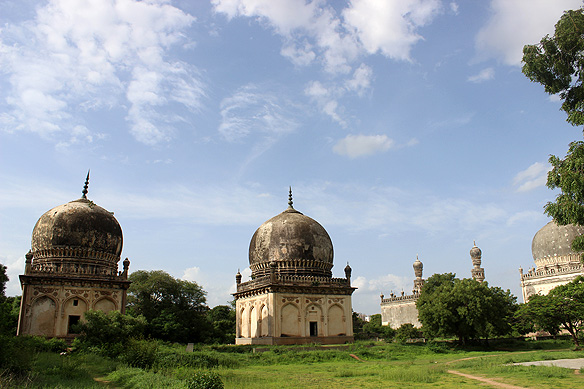
Builders of the gigantic Golconda Fort perched atop a hill, the iconic Charminar in the heart of Hyderabad’s Old City, and the nearby Mecca Masjid said to be built with bricks made of clay all the way from Mecca, the Qutb Shahis were Turkmen from Central Asia. Continue reading