By oneself indeed is evil done and
by oneself is one defiled, by oneself
is evil not done and by oneself is one
purified. Purity and impurity
depend entirely on oneself; no one
can purify another.~ Dhammapada, Verse 165
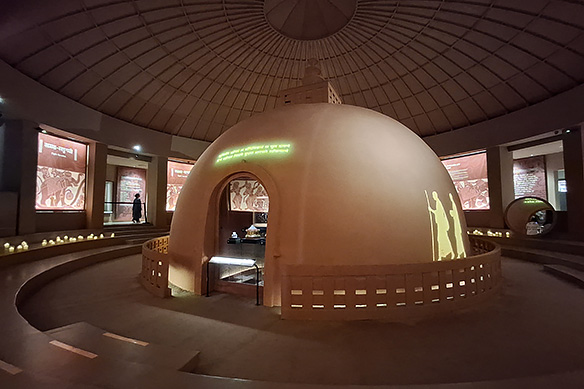
The story of Buddha’s Piprahwa relics is as unusual as the story of the man himself—a 6th/ 5th Century BCE prince, Siddhartha Gautama from the Indo-Gangetic plain, who renounced worldly life and possessions to find a faith built on compassion and self-discovery.
Throughout his life, he was adamant he be treated only as a teacher and not God. Because there was no God. Only our karma. Continue reading

