lal mandir to jama masjid: the magic of chandni chowk during ramadan

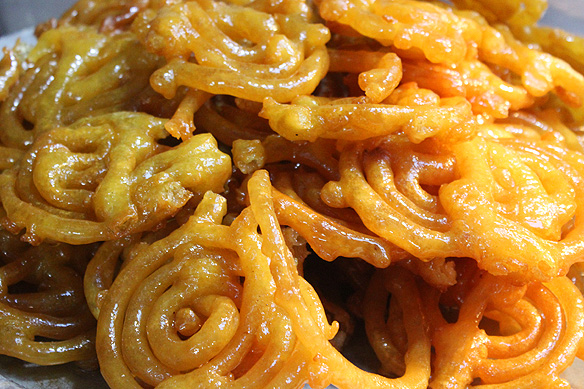
Don’t these jalebis look mouth-watering! They’re fresh from the boiling sugary syrup they’d been dunked into, at the Old Famous Jalebi Wala in Chandni Chowk. And no, the ‘old’ and ‘famous’ are not adjectives but are part of the street-side kiosk’s name. 😊

It is Ramadan, and I have always wanted to explore Chandni Chowk during Islam’s month-long fasting in which come night, this neighbourhood in Old Delhi bursts into one big celebration. Built by Mughal Emperor Shah Jahan and designed by his favourite daughter Jahanara Begum in 1650, it was the main market of Shahjahanabad, Shah Jahan’s capital city in Delhi.

But I was a bit hesitant. The usual qualms. It’s an unfamiliar area. It’s super crowded. Is it safe? Continue reading
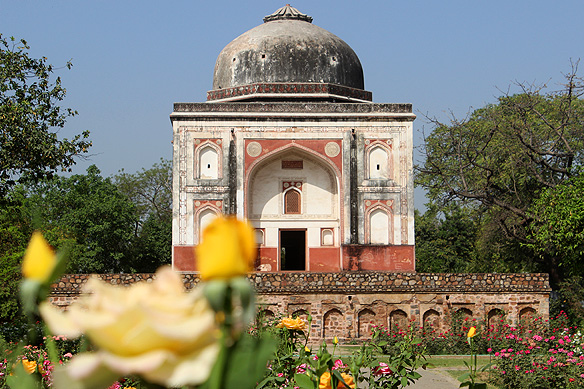
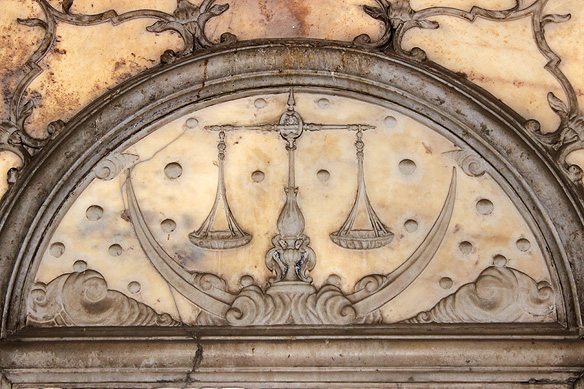
travel diaries: a mughal wazir’s tomb in day and night

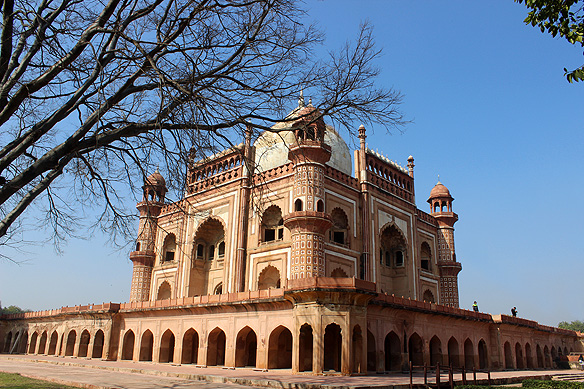
Another tomb!

I’d once read that in London, at the turn of the 20th Century when the British Raj was planning to move its capital from Calcutta to Delhi, a British newspaper had called Delhi the ‘graveyard of dynasties’.

It was in reference to the countless tombs of the Muslim dynasties and their key officials, first those of the Delhi Sultanate and then the Mughal Empire, who had ruled Delhi for 660 years. These tombs dot every nook and corner of the city. Some are grand and ostentatious. Some humble and tiny. But they are everywhere.

Many have crumbled over time and been replaced with the fast-burgeoning, steel and concrete ‘New Delhi’. I wonder how many there would have been, say a hundred years ago, or at the closing chapter of the Mughals in 1857, as I gasped in awe at the ceiling inside.

Where was I? In a tomb. Continue reading

global travel shot: baha’i temple, a marble lotus in full bloom

Image

Be like the Lotus. Be the Lotus.

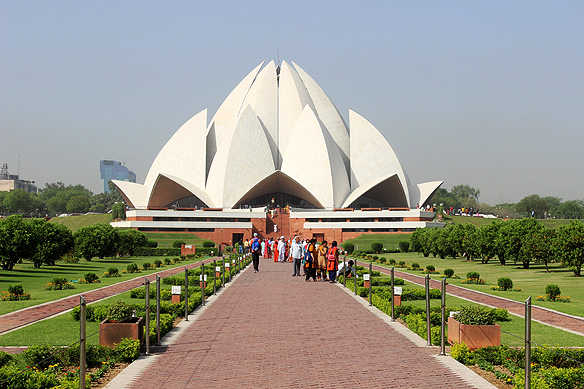
The Baha’i Temple in New Delhi, a gigantic 27-petalled blooming lotus in concrete and marble, is a gentle reminder of a key life lesson at the core of religions that have birthed in India. A life lesson which repeatedly states the importance of rising above the chaos of life and to bloom, like a lotus, unblemished. A popular term being: detachment. Lofty life goals, but one can try.

It is also one of my favourite places of worship in the world. A masterpiece in modern engineering. Peaceful and meditative. Four times a day, brief excerpts from Hinduism, Buddhism, Islam, Christianity, and the Baha’i scriptures are read out, together. In tandem with the essence of the Baha’i faith that all religions are equally worthy.

There are over 7 million followers worldwide of the 19th Century Baha’i religion which was founded in Iran and has its holiest site in Israel. Its largest number of followers are in India. No surprises, since India is no stranger to syncretism, at times willingly, at times reluctantly, and often unconsciously. Another lofty life goal—syncretism—but one can try. 🙂

sunder nursery: delhi’s loveliest secret

[Updated on 2 June, 2022. This post was first published on 4 April, 2022. I went back to Sunder Nursery for a night heritage walk led by Sair E Hind in May. This updated post includes images of Sunder Nursery at night.]

Red Fort. Check. Humayun’s Tomb. Check. Qutab Minar. Check. A walk through Chandni Chowk. Check … and one gets deluded into believing that Aah, one has seen it all, done it all in Delhi.

Could one be further from the truth?

Delhi’s loveliest secret, hidden from prying tourist hordes, is Dilliwale’s [Delhiites] favourite place to have an uninterrupted yoga session, a picnic with close family and friends, or an organic brunch at a weekend farmers’ market. All in the company of blooming flowers, hundred-year-old wise trees from around the world, and exquisite Mughal-era UNESCO-listed monuments.

Sounds too good to be true, doesn’t it? But isn’t that what lovely, best kept secrets look like. Continue reading

photo essay: delhi’s red fort, stories told and untold

Behind a pile of impregnable traffic barriers and guarded by the stern-lipped, but polite, Central Reserve Police Force [CRPF] is Delhi’s most prestigious fort, Qila-e-Mubarak, meaning ‘Auspicious Fort’. Or the Red Fort, as the British called it.

Mughal Emperor Shah Jahan, who designed and built it in 1648 [the same gentleman who built Taj Mahal], would not have been too pleased about the barricades, both human and metal. He was not even happy when his son Aurangzeb built a wall around Lahore Gate, the public entrance.

With a direct line of view from Chandni Chowk to the Diwan-e-Aam [Hall of Public Audience], Shah Jahan argued that the enclosure was like putting a veil in front of a woman’s beautiful face. Continue reading

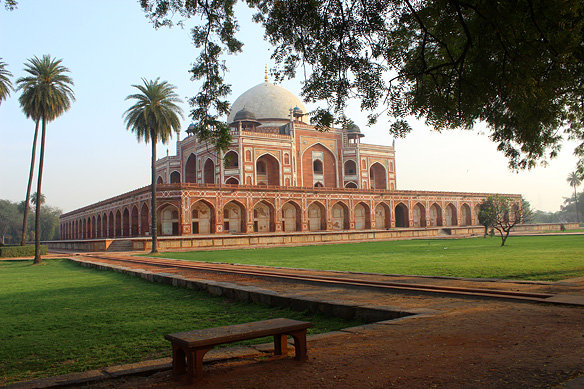
humayun’s tomb: an ode to destiny’s child

An opiumate and weak general [as popular history would like us to believe] or a gentle ruler determined to regain his lost territories and in fact did. Even if it took him 15 long years in exile racing on horseback through Lahore, Sindh, Rajputana, and Persia.

Were it not for a colossal garden tomb built in his memory by his son, he may well have been forgotten in the dusty pages of time.

This blog post is the story of Indian Mughal history’s most fortunate and unfortunate emperor: Humayun and his enormous resting place in India’s historical capital city, Delhi. Happy exploring! ❤ Continue reading

navchokiya: brahmins and the blue city of jodhpur

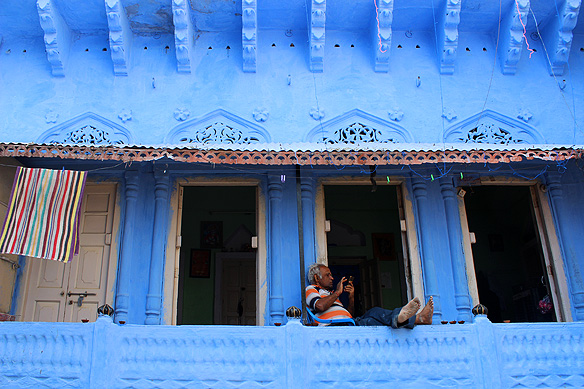
Navchokiya. The raison d’etre for Jodhpur’s moniker: Blue City.

Snuggled along the towering rocky outcrop, atop which sits Mehrangarh Fort, Jodhpur’s pride and primary claim to fame, is a sea of cornflower blue houses which give the city its current popular epithet.

Since Jodhpur’s inception in 1459, the neighbourhood has been the home of the city’s Brahmin or priest community. To set themselves apart from the other Hindu castes, they painted their homes blue. Perhaps in reference to their blue-blooded lineage? Continue reading

travel diaries: call of the khuri dunes

Sam or Khuri?

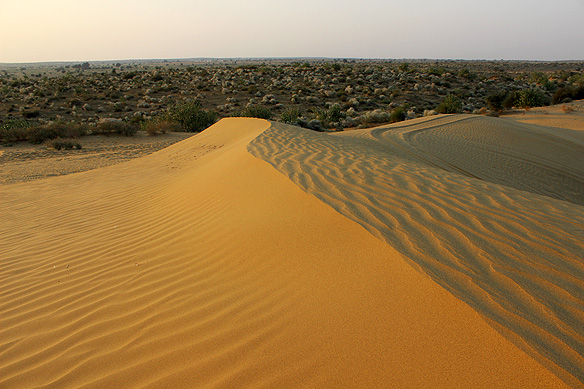
An obligatory part of a visit to Jaisalmer is the excursion to the golden sand dunes which sheath the Thar Desert some 40 to 50 kilometres away from the city.

Sam was touristy. Khuri was remote. What was it going to be for me? This one was a no-brainer in my travel plans. 😊

Khuri had just called out to me, I thought, with a gentle smile hovering on my lips as I looked out at an oasis on my way to the dunes. Continue reading

thar desert: stories told and untold

Thar Desert, or the Great Indian Desert as it is also known, is the large arid region in north-west Rajasthan surrounding the thousand-year-old enigmatic fortress of Jaisalmer on all four sides.

Spread over an expanse of 200,000 square kilometres, it is the world’s 20th largest desert, as well as the world’s most densely populated desert [at 83 people per square kilometre]. Some 40 percent of Rajasthan’s population lives in the Thar, eking out a living on its barren stretch through agriculture and animal husbandry.

Folk art and music offer a much-needed respite in the face of hardship here; just as vibrant-coloured odhnis and turbans give a dash of colour to the otherwise dusty, bare, uninhabited miles. Continue reading

exploring jaisalmer: one of the world’s few surviving living forts

It was nearing midnight. We’d been on the road for close to nine hours, having left Mandawa at three in the afternoon.

The deserted highway, smooth and wide, was sheathed in golden desert sand under a pitch-black sky. Our drive constantly interrupted with herds of prancing wild camel, stoic buffaloes, and abandoned cattle which merged with the darkness of the night. We were on our way to Jaisalmer in the north-west frontiers of Rajasthan.

I will never forget the calm words of my 22-year-old driver, Budharam Bishnoi, the first time an animal sneaked in front of our speeding vehicle: “Jitna aapki suraksha karna mera dharam hai, utna hi inn jeevo ka suraksha karna bhi mera dharam hai. Aap chinta mat karein.” [Just as it is my duty to protect you, it is also my duty to protect these animals. Don’t worry.” Continue reading